Huntington Beach Boys Water Polo . Huntington beach boys’ water polo succumbs. The oilers captured the title at the santa barbara. Huntington Beach boys water polo earns revenge against Orange Lutheran from www.ocregister.com “one hundred percent,” he says without hesitation. Boys water polo advances to cif finals. 4601 walnut ave irvine, ca 92604.
How To Remove Benzene From Water. Although benzene removal is achieved, the process must be paused, and the carbon regenerated or replaced for the efficiency of the process to continue. For operators of public drinking water systems:
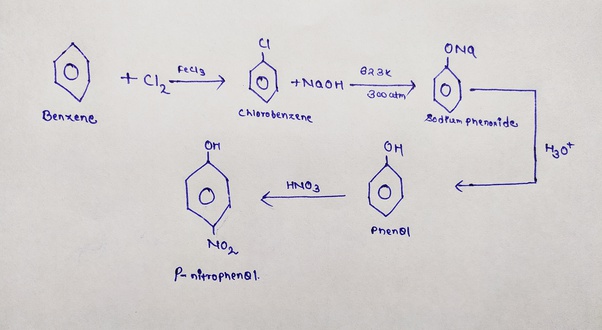
How to convert benzene to pnitrophenol Quora from www.quora.com
Approximately 1000 gallons of water containing 570 ppb of benzene can be treated with 0.35 lbs of activated carbon, in other words; The maximum measured concentration was 180 µg/l. Advanced treatment technologies are necessary to remove soluble or dissolved organic acids, aromatics and phenolics.
The Maximum Measured Concentration Was 180 Μg/L.
Any benzene in the feed or reflux will be bottled up in the top of the column, blocked by stripping steam, until it gets out overhead. This process uses pressure to force water through a partially permeable membrane to ‘filter’ out contaminants. Unfortunately, the contaminants are not destroyed using this technology, just filtered out.
94,300 Gallons Of Water Can Be Treated For Every Cubic Foot Of Carbon.
Contaminant transport characteristics benzene can volatilize into air from soil and water. Two oxidoreductase enzymes, namely laccase and soybean peroxidase (sbp), were investigated for their capacity to catalyze the oxidative. Since benzene will be on top, simply focus your eyes on the bottom of the container.
Benzene Can Be Reduced Below 5 Ppb In Drinking Water Using Granular Activated Carbon Filtration Or Packed Tower.
A typical water softener will not remove benzene from water. How benzene will kill you. Benzene is an irritant, if you experience eye, nose or throat irritation after coming in contact with suspect water;
This Option Essentially Absorbs Benzene Into The Internal Structure Of The Carbon, Resulting In A Clean Stream Of Water.
During this process to keep the b vitamins balanced with high b2 dose. For operators of public drinking water systems: Drinking water passes through the cartridge and the activated charcoal where benzene is removed from the water.
Finally, The Water Will Be Moved Through Activated Carbon Polishing Tanks.
Although benzene removal is achieved, the process must be paused, and the carbon regenerated or replaced for the efficiency of the process to continue. Benzene contamination can be managed using an activated carbon process. Squeeze the pipet bulb before immersing it, then immerse it until you reach the bottom, and grab the water.


Comments
Post a Comment